You Won’t Believe What I Found Shopping at Iceland’s Blue Lagoon
When I stepped into the Blue Lagoon, I expected geothermal waters and silica masks—not a design-forward shopping experience. But the moment I walked through its lava-walled boutique, I was hooked. The architecture alone feels like a blend of nature and futuristic minimalism, and every shop is thoughtfully placed to enhance the journey. From locally crafted goods to sleek swimwear, shopping here isn’t an afterthought—it’s part of the magic. Let me take you inside what makes it so unique.
First Impressions: Where Nature Meets Design
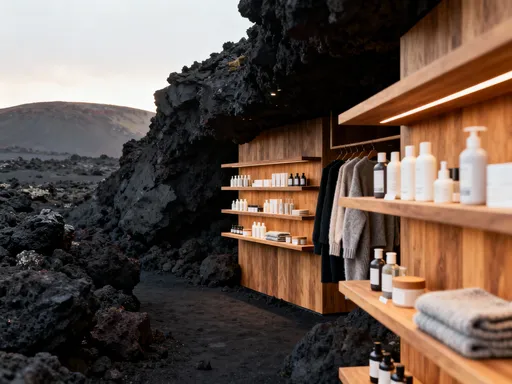
Arriving at the Blue Lagoon, the first thing that strikes visitors is the surreal contrast between the rugged, black lava fields and the luminous blue waters gently steaming under Iceland’s soft light. The buildings, constructed with respect to the terrain, appear almost embedded into the volcanic landscape. Low-slung structures made of basalt-inspired concrete and glass rise organically from the rock, creating a dialogue between human design and natural formation. This harmony is not accidental—it’s intentional, guided by a philosophy that prioritizes integration over intrusion. Visitors are greeted not by flashy billboards or commercial signage, but by open walkways framed by lava formations, leading them naturally toward the heart of the experience.
As you move through the arrival plaza, the path gently curves, revealing glimpses of the main complex through narrow openings in the rock. The architecture invites curiosity without overwhelming. Large glass facades reflect the sky and surrounding lava, making the buildings appear to shift with the weather. The use of natural materials—stone, wood, and matte metals—creates a tactile continuity from the outside environment to the interior spaces. Even the changing rooms, with their minimalist layout and soft lighting, feel like a prelude to relaxation rather than a utilitarian stop. This seamless transition from arrival to immersion sets the tone for what follows: a journey where every detail, including shopping, is curated to support well-being.
What makes the retail experience at the Blue Lagoon exceptional is how effortlessly it fits into this narrative. Unlike traditional resorts where shops are clustered near exits to encourage last-minute purchases, the retail spaces here are woven into the visitor journey. You might pass a small display of skincare products on your way to the steam room, or notice a rack of cozy wool robes near the relaxation lounge. These placements feel organic, not pushy. The design ensures that shopping doesn’t disrupt the sense of calm; instead, it enhances it, offering moments of quiet discovery. This thoughtful integration reflects a deeper understanding of what modern travelers seek—not just luxury, but meaning and coherence in every aspect of their experience.
The Evolution of a Geothermal Retreat into a Lifestyle Destination
The Blue Lagoon’s transformation from an industrial byproduct to a global wellness icon is one of the most remarkable stories in sustainable tourism. In the 1970s, workers at the nearby Svartsengi geothermal power plant noticed that the runoff water, rich in silica, sulfur, and minerals, had a soothing effect on skin conditions. Locals began bathing in the warm, milky-blue pools, and word spread. By the late 1980s, the site was officially opened to the public. What began as an informal healing spot gradually evolved into a destination that attracted visitors seeking both physical rejuvenation and emotional respite.
Over the decades, the Blue Lagoon expanded with purpose. The original simple pool gave way to a complex that includes multiple bathing zones, a medical clinic focused on dermatological treatments, and the luxurious Retreat Spa. With each phase of development, the vision grew clearer: to create a holistic environment where nature, science, and design converge. Central to this evolution was the realization that the experience shouldn’t end when guests dry off. To extend the feeling of renewal beyond the visit, the Blue Lagoon team developed a skincare line using the very same mineral-rich waters that make the lagoon famous. This wasn’t just a branding exercise—it was a natural extension of the site’s identity.
From there, retail became an essential thread in the Blue Lagoon’s narrative. The products offered are not generic souvenirs but carefully selected items that reflect the values of the destination: purity, sustainability, and connection to place. Over time, the shopping experience evolved from a small gift shop into a curated retail journey. Today, the boutiques at the Blue Lagoon carry everything from bath oils and face masks to home textiles and design objects, all designed to bring a piece of Iceland’s geothermal calm into daily life. This shift from utility to lifestyle reflects a broader trend in travel, where visitors no longer want just experiences—they want to take the feeling home with them.
Inside the Lava Field Boutique: More Than Just Souvenirs
Nestled within the Retreat Spa building, the main shopping area at the Blue Lagoon feels more like a contemporary art gallery than a retail space. The interior is bathed in soft, natural light that filters through high clerestory windows, casting gentle shadows on the stone floors. Open shelving made of light wood and matte metal displays products with museum-like precision. There are no crowded racks or cluttered displays—each item is given space to breathe, inviting closer inspection. The minimalist aesthetic mirrors the surrounding landscape: clean lines, neutral tones, and an emphasis on texture. Even the air carries a subtle scent of minerals and eucalyptus, reinforcing the sensory continuity between the pools and the shop.
The product range is thoughtfully curated to reflect both Icelandic heritage and modern design sensibilities. At the heart of the collection is the Blue Lagoon skincare line, featuring serums, moisturizers, and masks formulated with silica, algae, and mineral-rich water from the lagoon itself. These products are not only effective but also designed with sustainability in mind—packaged in recyclable materials with minimal plastic. Alongside them, you’ll find Icelandic wool garments, including sweaters, scarves, and hats, crafted from the fleece of sheep that graze freely in the highlands. These pieces are warm, durable, and dyed with natural pigments, embodying the resilience and simplicity of rural Icelandic life.
Jewelry made from volcanic rock, silver, and recycled metals adds another layer of local authenticity. Each piece feels grounded in the earth, often inspired by natural forms like waves, lava flows, or frost patterns. Design objects—such as basalt stone coasters, hand-thrown ceramics, and linen-covered notebooks—further extend the idea of bringing Icelandic nature into the home. Even swimwear is selected with care: sleek, one-piece styles in dark blues and grays, made from recycled materials and designed for both performance and elegance. Nothing feels mass-produced. Every item tells a story of place, process, and purpose, making the shopping experience deeply personal and meaningful.
Architectural Flow: How Design Guides the Shopping Journey
The seamless integration of retail into the Blue Lagoon experience is a triumph of architectural planning. The design, led by Basalt Architects, follows a philosophy of intuitive movement—guests are never told where to go, but they always seem to find their way. Pathways are wide and gently sloped, allowing for unhurried progress. The architects used subtle cues—changes in flooring material, shifts in lighting, and strategic sightlines—to guide visitors from bathing areas to relaxation zones and, eventually, to retail spaces. There are no signs shouting “Shop Here!” Instead, a beautifully lit display of skincare products might catch your eye as you exit the steam room, or a rack of robes may appear just as you’re thinking about warmth after a swim.
Sightlines play a crucial role in this quiet invitation. From the main pool, you can see the edge of the boutique through a glass partition, where bottles of lotion are arranged like art objects on a backlit shelf. This partial visibility creates curiosity without intrusion. You’re not bombarded with choices; you’re gently drawn toward discovery. The architects understood that in a wellness environment, decision fatigue is the enemy of relaxation. By limiting visual clutter and controlling the pace of exposure, they make shopping feel like part of the unwind process, not a disruption of it.
Lighting is another key element. In the boutique, warm, diffused light highlights textures—wool, stone, glass—without creating glare. Product displays are illuminated from within or from above with narrow beams, giving each item a sense of importance. Meanwhile, the transition zones—corridors, doorways, stairwells—are lit more subtly, using recessed floor lights or wall sconces that guide without distracting. This layered lighting design supports both safety and atmosphere, ensuring that the journey from pool to shop feels effortless. The absence of loud colors, flashing lights, or commercial graphics reinforces the sense of calm. Here, shopping is not about impulse—it’s about intention.
Locally Made, Thoughtfully Curated: The Products That Reflect Iceland
What truly sets the Blue Lagoon’s retail offerings apart is their authenticity. Every product available has been chosen not just for its quality, but for its connection to Iceland’s culture, environment, and design ethos. The skincare line, for example, is developed using research from the Blue Lagoon’s own dermatology lab, ensuring that each formula is backed by science as well as tradition. Ingredients like blue-green algae, harvested sustainably from local waters, are combined with mineral-rich silica to create treatments that are both effective and deeply rooted in the landscape. These are not generic spa products with a fancy label—they are born from the very place where you stand.
Icelandic wool, known locally as lopi, is another hallmark of authenticity. The sheep that produce this wool live outdoors year-round, adapting to the harsh climate, which results in a fiber that is both insulating and water-resistant. The garments made from lopi are lightweight yet warm, often knitted in traditional patterns passed down through generations. Purchasing a wool hat or sweater is not just a fashion choice—it’s a nod to centuries of practical craftsmanship. Similarly, homeware items like basalt stone trays or candles made with beeswax and birch essential oils reflect a deep respect for natural materials and slow production methods.
The emphasis on sustainability is evident throughout. Many of the textiles are made from recycled fibers, and packaging is kept to a minimum, using cardboard, glass, and metal instead of plastic. Even the swimwear, while sleek and modern, is produced with eco-conscious materials like regenerated nylon from fishing nets and fabric scraps. These choices are not marketed aggressively—they are simply part of the fabric of the experience. Visitors notice them, appreciate them, and often comment on how refreshing it feels to support brands that align with their values. In a world of mass tourism and disposable souvenirs, the Blue Lagoon offers something different: products that feel earned, meaningful, and lasting.
Shopping as an Extension of Wellness
At the Blue Lagoon, shopping is not an act of consumption—it’s an act of continuation. After spending hours soaking in warm, mineral-rich waters, practicing mindfulness in silent relaxation rooms, or receiving a massage infused with algae extract, visitors often feel a deep sense of renewal. The boutique becomes a natural next step, a place where they can extend that feeling into their everyday lives. Picking up a bottle of face serum or a bar of volcanic salt scrub isn’t seen as a purchase; it’s viewed as a way to preserve the calm, to carry a piece of serenity home. This shift in perception—from consumerism to self-care—is what makes the retail experience so powerful.
Staff play a quiet but important role in reinforcing this mindset. They are not pushy salespeople but knowledgeable guides, often trained in the benefits of the products they sell. They can explain the science behind a moisturizer, recommend a wool blend based on climate needs, or suggest a home fragrance that mimics the scent of geothermal steam. Their demeanor is calm and unhurried, matching the tone of the environment. Packaging also contributes to the wellness narrative: products arrive in simple, elegant boxes with minimal branding, often tied with twine or wrapped in fabric. Unboxing feels like a ritual, not a transaction.
Observing other visitors, it’s clear that many treat the shop like a gallery or apothecary. They move slowly, touch fabrics gently, read labels carefully. Some take photos not of themselves, but of product details—the texture of a scarf, the shape of a bottle. Others buy just one item, something small but significant, like a vial of bath oil or a handmade pendant. There’s a sense of reverence in these choices, as if each purchase is a commitment to continued care. This is not shopping as escapism; it’s shopping as intentionality. In this space, buying something beautiful and useful feels like an act of self-respect.
Practical Tips for Making the Most of Your Visit
To fully appreciate the retail experience at the Blue Lagoon, timing and preparation matter. The boutique inside the Retreat Spa is most peaceful in the early morning or late evening, when the main bathing areas are less crowded. If you’re staying for a full day, consider scheduling your spa treatment in the middle of the day and saving the shop for afterward, when you’re relaxed and open to discovery. Guests with the Comfort or Premium package have access to the main boutique, while Retreat Spa guests enjoy a more private shopping area with exclusive product lines. It’s worth checking your ticket details in advance to understand what’s available to you.
Many of the skincare products and wool garments are only available on-site, making them unique souvenirs. However, prices reflect the quality and ethical production methods, so it’s wise to set a budget beforehand. That said, even if you don’t buy anything, browsing is an experience in itself. The way items are displayed, the quiet atmosphere, and the connection to nature make the shop a place of inspiration. If you’re traveling with others, suggest they relax in the lounge while you explore—many find the space so calming that they fall into a light doze among the soft cushions and warm lighting.
For those concerned about luggage space, consider shipping larger items home. The Blue Lagoon offers a discreet packing and delivery service, allowing you to enjoy your purchases without the burden of carrying them through airports. And if you’re unable to visit in person, the online store carries a selection of the most popular items, though the in-person experience of touching fabrics, smelling scents, and feeling the weight of a stone coaster cannot be replicated. Ultimately, the value of shopping here isn’t just in the product—it’s in the memory of being in a place where design, nature, and well-being come together in perfect harmony.
The Blue Lagoon isn’t just about soaking in warm waters—it’s about being surrounded by a harmony of nature, architecture, and mindful consumption. Its shopping experience proves that retail can be elegant, intentional, and deeply rooted in place. Walking out with a bottle of mineral-rich lotion or a hand-knit alpaca scarf isn’t just a souvenir; it’s a piece of Iceland’s spirit, designed to stay with you long after you leave.