Taste the City: How D.C.’s Urban Pulse Fuels Its Food Soul
Ever wondered how a city’s streets can shape its flavors? Washington DC isn’t just monuments and museums—its vibrant urban spaces breathe life into an unforgettable food scene. From bustling food halls to neighborhood markets tucked between historic row houses, the city’s rhythm turns every meal into an experience. The hum of conversation at a weekend farmers market, the sizzle of grills in a repurposed warehouse, the aroma of spices drifting from a corner bodega—these are not isolated moments. They are threads in a larger story, one where city planning, cultural diversity, and community energy converge to create something greater than the sum of its ingredients. This is how D.C. doesn’t just serve food—it grows it from the ground up.
The Urban Beat Behind D.C.’s Food Culture
Washington DC’s culinary identity is deeply rooted in its urban fabric—a complex weave of history, governance, and grassroots community life. Unlike cities that evolved primarily around commerce or industry, D.C. was designed as a symbolic capital, yet its people have long transformed formal spaces into living, breathing hubs of daily interaction. Pennsylvania Avenue, once envisioned as a grand ceremonial corridor, now pulses with foot traffic from office workers, tourists, and residents who gather at sidewalk cafés and lunchtime kiosks. Eastern Market, operating since 1873 in Capitol Hill, exemplifies this blend of function and tradition. More than just a marketplace, it serves as a neighborhood anchor where generations meet for fresh produce, handmade goods, and regional specialties like Chesapeake-style crab cakes.
What makes D.C.’s food culture unique is how intentionally it has been shaped by urban design principles that prioritize accessibility and mixed-use development. Walkability is central to this vision. In neighborhoods like Logan Circle and Columbia Heights, wide sidewalks, tree-lined streets, and mixed residential-commercial zoning allow restaurants, bakeries, and coffee shops to flourish within easy reach of homes and transit stops. These environments encourage spontaneous dining decisions, turning casual strolls into culinary discoveries. Moreover, the city’s investment in public space revitalization—such as the transformation of 14th Street NW from a neglected corridor into a thriving dining district—demonstrates how thoughtful planning can catalyze gastronomic renewal.
The integration of food into public life also reflects broader civic values. Public plazas, pocket parks, and even underpasses have been reimagined as places for connection, often anchored by food vendors or seasonal markets. This approach does more than beautify the city; it fosters social cohesion by creating neutral, welcoming spaces where people from different backgrounds share meals and conversations. When city planners consider seating, shade, lighting, and vendor access in their designs, they are not just building infrastructure—they are cultivating conditions for community life to thrive. In D.C., food is not an afterthought in urban development; it is a foundational element.
Neighborhood Eats: Where Local Life Meets Global Flavors
One of the most compelling aspects of D.C.’s food landscape is its neighborhood authenticity. Each district tells a distinct story through its restaurants, reflecting waves of migration, economic shifts, and cultural preservation. Petworth, once a quiet residential enclave, has emerged as a hotspot for creative dining, where Ethiopian injera shares menu space with modern American comfort food. Shaw, historically a center of African American culture, now hosts a dynamic mix of legacy soul food joints and new-wave eateries embracing Afro-Caribbean fusion. These transformations are not about erasure but evolution—where long-standing communities coexist with newer arrivals, and cuisine becomes a language of mutual influence.
Many of these culinary gems thrive in adaptive reuse spaces—buildings given second lives as dining destinations. A former auto repair shop might become a vibrant taqueria; an old theater could house a multi-vendor food hall. This trend is particularly visible at Union Market, located in a renovated early-20th-century market building. Once a wholesale hub, it now draws thousands weekly with its curated blend of local vendors, craft brewers, and artisanal producers. Similarly, The YARD at 4000 Irving Street in Congress Heights repurposes an industrial lot into a community-focused food and event space, supporting minority-owned businesses and providing a safe, engaging environment for families.
These spaces do more than serve meals—they create opportunity. For immigrant entrepreneurs, low-overhead stalls in shared markets reduce barriers to entry, allowing them to test concepts, build customer bases, and scale gradually. A Salvadoran pupuseria might start as a weekend pop-up and grow into a permanent fixture, contributing to the city’s rich tapestry of flavors. This model supports economic resilience while preserving cultural identity. At the same time, it invites residents to explore global cuisines without leaving their neighborhoods, turning everyday dining into an act of cultural exchange. In D.C., eating out is not just about sustenance—it’s a way of knowing your city and its people.
Public Spaces as Food Stages
In Washington DC, public spaces are not merely backdrops—they are active stages for culinary performance and community gathering. Parks, plazas, and pedestrian zones regularly host food-centric events that transform ordinary sidewalks into festive dining areas. Farragut Square, once a quiet traffic island, now buzzes with weekday lunchtime vendors offering everything from Korean tacos to vegan grain bowls. During summer months, the square becomes a de facto open-air food court, drawing office workers who relish both the variety and the chance to eat outdoors. These temporary activations are made possible by city programs that streamline permitting for mobile vendors and prioritize human-centered design in public realm improvements.
The Wharf, a redeveloped stretch along the Anacostia River, offers another powerful example of how urban planning can integrate food into the public experience. Its open-air layout, wide promenades, and waterside seating invite lingering, encouraging visitors to sample multiple offerings as they stroll. Street food vendors, ice cream carts, and oyster bars operate alongside sit-down restaurants, creating a layered dining ecosystem. Seasonal events like the Fire & Ice Festival or Taste of The Wharf further amplify this energy, drawing crowds eager to taste, sip, and celebrate together. These gatherings do more than boost local economies—they reinforce a sense of place, making the waterfront feel alive and accessible to all.
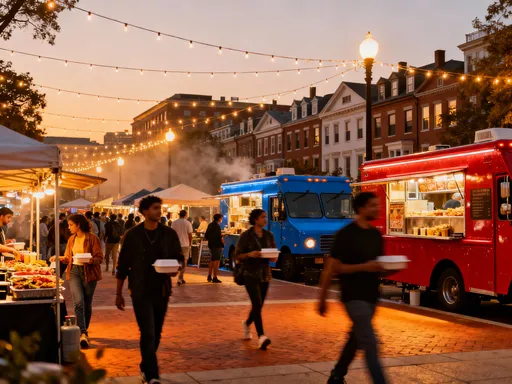
Closing streets for festivals is another strategy the city uses to activate food-centered public life. Events like H Street Festival or Taste of Shaw temporarily turn major corridors into pedestrian-only zones filled with food trucks, live music, and family activities. These car-free environments shift the focus from movement to停留, allowing people to engage deeply with their surroundings. Vendors benefit from high visibility and foot traffic, while residents gain rare opportunities to experience their neighborhoods in new ways. Importantly, these events often spotlight small, local operators who might otherwise struggle for attention in a competitive market. By temporarily reconfiguring space, the city amplifies voices that are essential to its culinary soul.
Food Halls: Urban Innovation on a Plate
Food halls have become one of the most visible symbols of D.C.’s culinary renaissance. Unlike traditional malls or standalone restaurants, these curated environments blend affordability, authenticity, and accessibility in a single, socially vibrant space. Union Market remains the gold standard, but newer entries like Anacostia Market House are extending this model to underserved areas. These spaces typically feature a rotating roster of local vendors, from dumpling specialists to specialty coffee roasters, offering diners a chance to sample diverse flavors under one roof. More than convenience, food halls foster discovery—encouraging patrons to try something new, perhaps even outside their comfort zone.
What sets D.C.’s food halls apart is their role in neighborhood revitalization. Union Market, for instance, was instrumental in transforming the formerly industrial NoMa (North of Massachusetts Avenue) area into a sought-after destination. Property values rose, new residential developments followed, and foot traffic increased significantly—all sparked, in part, by the magnetic pull of good food. Yet the city has worked to ensure that growth benefits existing residents, too. Initiatives like vendor incubator programs help small operators access training, financing, and prime locations, reducing the risk of displacement due to gentrification.
Compared to traditional restaurants, food halls generate broader economic ripple effects. They attract larger, more diverse crowds, increasing patronage for nearby shops and services. They also support entrepreneurial diversity by lowering startup costs—no need for full kitchens, extensive staffing, or costly renovations. For consumers, they offer flexibility: a quick bite, a leisurely meal, or takeout for later. And because many are open daily with extended hours, they serve as reliable anchors in the urban food ecosystem. In a city where time is precious and schedules vary, food halls meet the demand for quality, convenience, and connection—all without sacrificing authenticity.
From Policy to Plate: How Government Shapes What We Eat
As the nation’s capital, Washington DC has a unique relationship between policy and daily life—including what ends up on residents’ plates. Federal institutions like the U.S. Department of Agriculture (USDA) influence national food systems, but their presence also creates opportunities for local impact. Programs such as the D.C. Farm to School Network connect public schools with regional farms, ensuring children receive fresh, locally sourced meals. These initiatives not only improve nutrition but also support mid-Atlantic agriculture, creating a more resilient regional food supply chain.
City-level policies further shape the food landscape. Zoning regulations determine where restaurants can operate, how many food trucks can gather in a given area, and whether urban farming is permitted. In recent years, D.C. has updated its codes to encourage innovation—allowing rooftop gardens on commercial buildings, simplifying permits for mobile vendors, and designating certain zones for mixed-use development that includes food production. One visible outcome is the rise of urban agriculture projects, from community plots in Anacostia to hydroponic farms in repurposed warehouses. These efforts increase access to fresh produce in areas historically classified as food deserts.
Government buildings themselves have become models of sustainable food practices. Rooftop gardens on facilities like the D.C. Water headquarters produce herbs and vegetables used in employee cafeterias, demonstrating how public institutions can lead by example. Additionally, city contracts now prioritize vendors who meet equity and sustainability criteria, giving an edge to minority-owned, environmentally responsible food businesses. While challenges remain—such as balancing regulation with small business needs—these policy levers show that government can be a powerful ally in building a healthier, more inclusive food system. In D.C., governance isn’t separate from gastronomy; it’s part of the recipe.
Transport, Access, and the Flavor Map
Mobility shapes dining choices in profound ways. In a city as geographically and economically diverse as Washington DC, how easily people can reach food destinations determines who gets to participate in the culinary renaissance. The Metrorail system, despite ongoing challenges, remains a critical artery connecting distant neighborhoods to central hubs. Riding the Green Line to Anacostia, for example, opens access to beloved soul food institutions like Florida Avenue Grill—the oldest continuously operating soul food restaurant in the city. Similarly, the Yellow Line links Mount Vernon Square to Prince George’s County, enabling cross-jurisdictional food exploration.
Bike lanes and shared mobility options further expand access. The Capital Bikeshare program allows residents and visitors to pedal between neighborhoods, stopping at markets, cafés, and pop-ups along the way. This mode of transport encourages slower, more intentional engagement with the urban environment—perfect for discovering hidden gems. Pedestrian-friendly corridors, especially in areas like U Street and H Street NE, make walking to dinner not just feasible but enjoyable. Street trees, benches, and attractive lighting contribute to a sense of safety and comfort, making evening outings appealing even during cooler months.
Yet disparities persist. Some wards, particularly in Ward 8, face limited transit options and fewer full-service grocery stores, creating inequities in food access. While food halls and mobile markets help bridge the gap, structural solutions are needed. The city’s push for “15-minute neighborhoods”—where residents can meet basic needs within a short walk or bike ride—is a promising step toward greater equity. By investing in transit-oriented development and supporting small food enterprises in underserved areas, D.C. can ensure that its vibrant food culture is inclusive, not exclusive. After all, a city’s greatness isn’t measured just by its Michelin-starred restaurants, but by how well it feeds everyone.
The Future of Food in the Nation’s Capital
Looking ahead, Washington DC stands at the forefront of a new era in urban food culture—one defined by innovation, sustainability, and inclusivity. Emerging trends point to a future where meals are not only delicious but also deeply integrated into the rhythms of city life. Mobile kitchens, equipped with solar-powered units and digital ordering systems, are becoming more common, offering flexible, low-impact ways to bring food to underserved areas. Pop-up dining experiences in vacant lots or parking spaces continue to challenge traditional notions of where restaurants belong, proving that great food can thrive in unexpected places.
The concept of 15-minute neighborhoods is gaining momentum, with city planners prioritizing mixed-use developments that place grocery stores, markets, and restaurants within easy reach of homes. This model reduces reliance on cars, lowers carbon emissions, and strengthens community ties. Sustainable street design—such as permeable pavements, green roofs, and shade structures—is being incorporated into public spaces to make outdoor dining more comfortable year-round. These changes reflect a broader shift toward resilient urbanism, where food is seen not as a commodity but as a core component of public health and environmental stewardship.
Technology will also play a growing role. Apps that highlight local vendors, track food waste, or facilitate community-supported agriculture (CSA) subscriptions are helping residents make informed, values-driven choices. At the same time, the city continues to support human-centered solutions—like cooking classes in community centers, nutrition workshops in schools, and farmer training programs—that empower residents to grow, prepare, and enjoy healthy food. The future of D.C.’s food scene is not about replacing tradition with innovation, but about weaving the two together in ways that honor the past while embracing change.
In the end, Washington DC’s greatness lies not just in its monuments or institutions, but in the everyday moments that define city life. A grandmother buying fresh peaches at Eastern Market. A group of friends sharing empanadas at a food truck rally. A young chef launching her first pop-up in a repurposed storefront. These experiences are made possible by a city that understands: great meals don’t just happen in kitchens. They grow from sidewalks, parks, markets, and the shared belief that food is a bridge—not a barrier. As D.C. continues to evolve, its pulse will remain tied to its plates, reminding us that the soul of a city is best tasted, one bite at a time.