You Won’t Believe What I Found in Dijon’s Hidden Corners
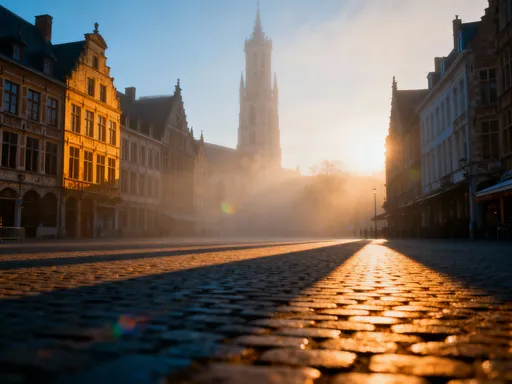
Walking through Dijon feels like flipping through the pages of a living storybook—cobbled lanes, golden stone buildings, and the rich scent of mustard in the air. But beyond its famous flavor, Dijon hides a world of unique shopping experiences just waiting to be discovered. From bustling markets to tucked-away boutiques, I was blown away by how much charm and character this city packs into every corner. This isn’t just shopping—it’s exploration at its most delicious and delightful. Each alleyway reveals a new artisan, each market stall a taste of tradition, and every purchase becomes a memory wrapped in authenticity. Dijon invites travelers not only to see but to savor, touch, and carry home a piece of Burgundy’s soul.
The Heartbeat of Dijon: Les Halles Market
At the center of Dijon’s culinary and social life stands Les Halles Market, a vibrant covered hall that has served as the city’s food heart for generations. Open daily except Monday, this beautifully restored 19th-century market hall buzzes with energy each morning as locals weave through stalls laden with seasonal produce, fresh seafood, and regional specialties. The scent of ripe peaches, earthy mushrooms, and warm bread mingles with the tang of aged cheeses and the unmistakable aroma of Dijon mustard—anchoring the experience firmly in Burgundy’s gastronomic identity. This is not a tourist showpiece but a working marketplace where everyday life unfolds with grace and flavor.
What makes Les Halles exceptional is the direct connection between producer and shopper. Vendors are proud custodians of their crafts, often traveling from nearby villages to sell goods grown or made just hours before. A cheese vendor might explain the difference between Époisses—a pungent, washed-rind cheese from the region—and a milder Morbier, while a charcuterie specialist slices jambon de Bourgogne with precision, offering tastes upon request. These interactions are more than transactions; they are invitations into a culture that values quality, seasonality, and conversation. Travelers who take the time to engage often leave not only with delicious finds but with stories to share.
For first-time visitors, navigating Les Halles can feel overwhelming, but a few simple tips enhance the experience. Arriving early—between 8:00 and 10:30 a.m.—ensures the best selection and a chance to observe locals in their shopping rhythm. Bringing a reusable tote bag is practical and appreciated by vendors who often wrap purchases in paper rather than plastic. While cash is still favored at smaller stalls, most now accept card payments. It’s also wise to come with an open mind and appetite: sampling is encouraged, and many vendors offer small tastes to help guide choices. Whether picking up a wedge of creamy Bleu de Gex or a jar of honey from a Dijon beekeeper, every purchase supports independent producers and sustains the market’s authentic spirit.
Rue de la Liberté: Style Meets Tradition
Just a short walk from Les Halles, Rue de la Liberté stretches like a ribbon through the heart of Dijon, linking the Place de la Libération to the historic center. This elegant boulevard blends the old and new, where Haussmann-style facades with intricate iron balconies house both international brands and beloved French boutiques. Unlike the relentless commercialism of larger cities, Rue de la Liberté maintains a refined pace, inviting leisurely strolls rather than hurried sprints. Window displays change with the seasons, showcasing everything from hand-knitted scarves in autumn to delicate lace parasols in spring, each arranged with an eye for artistry and local taste.
What sets this street apart is its balance between accessibility and authenticity. Shoppers will find familiar names like Zara and Sephora, but they coexist with smaller establishments that reflect Burgundy’s cultural heritage. A family-run linen shop might display tablecloths embroidered with regional motifs, while a perfumery offers fragrances inspired by the gardens of nearby châteaux. These stores often have longer histories than their modern neighbors, preserving a sense of continuity in a changing retail landscape. The architecture itself contributes to the experience: wide sidewalks, wrought-iron lampposts, and awnings in deep green or burgundy echo the city’s pride in its aesthetic legacy.
Walking down Rue de la Liberté is as much about atmosphere as acquisition. The sound of footsteps on cobblestones, the occasional chime from a church bell, and the soft murmur of conversation create a rhythm that feels distinctly French. Many stores open early and close for a long lunch, reflecting the local emphasis on balance and quality of life. Visitors are not rushed; staff greet with polite warmth, and returns are handled with dignity rather than suspicion. This is shopping as a social ritual, where time slows and attention turns to detail. Whether browsing for a silk scarf or simply admiring the craftsmanship of a glove display, travelers come away with a deeper appreciation for how style and tradition can coexist in harmony.
Off the Beaten Path: Boutiques in the Old Town
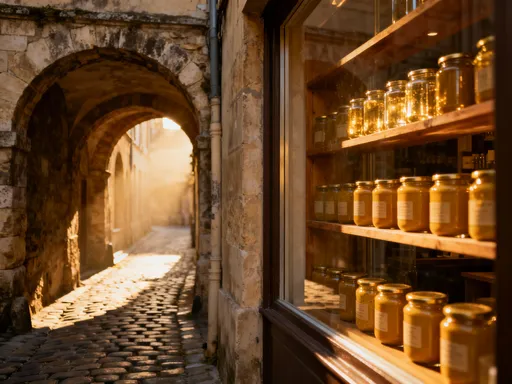
Step away from the main thoroughfares and Dijon reveals another layer entirely—one of quiet alleys, hidden courtyards, and intimate shops that feel like secrets shared among friends. The pedestrian-only old town, with its 17th- and 18th-century townhouses and vaulted passageways, is a treasure map for those seeking unique, handcrafted items. Here, shopping becomes a form of discovery, each boutique offering something made with care, passion, and a deep connection to place. These are not stores designed for mass consumption but sanctuaries of craftsmanship, where the pace is slow and the offerings are singular.
Among the most enchanting finds are the artisanal chocolate makers, whose shops release the warm, bittersweet scent of cocoa into the cool stone streets. Inside, hand-painted boxes hold truffles infused with Burgundy wine, pralines made with locally harvested hazelnuts, and ganaches dusted with edible gold. The chocolatiers themselves are often present, happy to explain their process or recommend pairings with regional cheeses or wines. These are not mere sweets but edible art, reflecting generations of technique and a reverence for ingredients. Purchasing a box here feels less like a treat and more like taking home a piece of living heritage.
Equally compelling are the ceramic studios tucked into medieval archways. In one corner of the old town, a potter shapes delicate tableware on a wheel, using clays sourced from the Saône River valley. Her pieces—glazed in soft ochres, forest greens, and deep blues—echo the colors of Burgundy’s countryside. Nearby, a wine boutique specializes in small-production bottles from village appellations like Gevrey-Chambertin and Puligny-Montrachet, with staff who speak knowledgeably about terroir and vintage variation. These shops thrive on personal connection; they are not trying to sell the most but to match the right product to the right person. For travelers, this means a shopping experience that feels personal, meaningful, and deeply rooted in the rhythms of local life.
Mustard Beyond the Jar: Unique Tasting & Shopping Experiences
No visit to Dijon would be complete without exploring the city’s most famous export: mustard. Yet for many, the experience begins and ends with a supermarket jar bearing the city’s name. True Dijon mustard, however, is a far more nuanced creation, born from a tradition that dates back to the 13th century. Unlike commercial versions that rely on vinegar and turmeric for color, authentic Dijon mustard is made with verjus—the acidic juice of unripe grapes—giving it a smoother, fruitier tang. It is this depth of flavor that distinguishes the real thing, and fortunately, Dijon offers several places where visitors can taste, learn, and purchase mustard made the traditional way.
Specialty shops throughout the city provide immersive experiences that go beyond simple retail. In some, visitors can watch mustard being stone-ground in small batches, with seeds sourced from local farms. Demonstrations explain the differences between classic brown mustard seed, white mustard seed, and the addition of honey, herbs, or even cognac. Tasting stations allow shoppers to sample varieties side by side—a sharp, classic version next to a creamy mustard with tarragon or one blended with figs and port wine. These tastings are not just about flavor but education, helping visitors understand how mustard can elevate everything from roast chicken to cheese platters.
While some well-known names operate in the city, including historic producers with boutiques in central locations, the real gems are often smaller, family-run operations. These artisans may not have international distribution, but their products are prized by chefs and food lovers for their authenticity and complexity. Buying mustard here is not just about bringing home a souvenir; it is about participating in a culinary tradition. Many shops offer beautifully packaged gift sets, making them ideal for sharing the taste of Dijon with friends and family. For the curious traveler, a mustard tasting becomes a flavorful entry point into Burgundy’s broader culture of food excellence.
Weekend Markets & Seasonal Treasures
While Les Halles anchors the weekday rhythm of Dijon, the city’s weekend markets add a dynamic, ever-changing dimension to its shopping landscape. Held in different neighborhoods throughout the year, these outdoor gatherings transform quiet squares into lively hubs of commerce and community. From antique fairs to craft markets, each event offers a distinct flavor, drawing both locals and visitors in search of something rare or handmade. These markets are not curated for tourism but emerge organically from the city’s culture of exchange, making them some of the most authentic experiences available.
One of the most beloved is the antique market held monthly in the Place Saint-Pierre, where rows of wooden stalls display everything from vintage postcards and silverware to mid-century furniture and vintage clothing. Collectors sift through boxes of old keys, clocks, and books, while others simply enjoy the nostalgia of browsing objects with history. Vendors are often passionate collectors themselves, eager to share stories about the provenance of a 1940s typewriter or a set of hand-painted dinner plates. The atmosphere is relaxed, with live acoustic music sometimes drifting from a corner and the scent of roasted chestnuts or crepes adding to the sensory richness.
Seasonal markets also play a vital role, particularly in the lead-up to holidays. During the winter months, a Christmas market brings twinkling lights, wooden chalets, and handmade ornaments to the city center. Here, shoppers find lavender sachets, woolen mittens, and jars of spiced honey—perfect gifts imbued with warmth and care. In spring and summer, farmers’ markets expand beyond Les Halles, offering organic produce, fresh flowers, and natural skincare products made with regional herbs. Timing a visit to coincide with one of these events can transform a simple trip into a layered, memorable experience. For travelers, the key is flexibility: checking local event calendars upon arrival and allowing space in the itinerary for spontaneous exploration.
Shopping with a Story: Craftsmanship and Local Identity
What unites Dijon’s diverse shopping experiences is a common thread: the value placed on craftsmanship and authenticity. Whether buying a piece of cheese, a bottle of wine, or a hand-thrown bowl, shoppers are not just acquiring objects but connecting with people and traditions. This culture of slow, intentional consumption stands in contrast to the fast-paced retail environments found in many global cities. In Dijon, the focus is not on volume or speed but on quality, provenance, and the human touch. Each purchase becomes a small act of preservation, supporting artisans who keep regional skills alive.
The connection between shopping and identity is especially strong in Burgundy, a region proud of its agricultural and artistic heritage. Food artisans use recipes passed down through generations, while textile makers employ techniques that have changed little over decades. A seamstress might still hand-stitch linings into coats, or a baker rise at dawn to fire a wood-burning oven. These practices are not marketed as novelties but lived as daily commitments. When travelers buy directly from such creators, they participate in a system that values sustainability, fairness, and respect for materials.
This ethos extends beyond individual shops to the city’s broader economic philosophy. Many boutiques emphasize local sourcing, seasonal availability, and minimal packaging. Some even offer repair services, reinforcing the idea that goods should last. For visitors, this means shopping with a conscience—knowing that a purchase supports a real person, not a distant corporation. It also invites mindfulness: choosing fewer, better things rather than accumulating souvenirs by default. In a world increasingly dominated by mass production, Dijon offers a refreshing alternative—one where every item has a name, a face, and a story behind it.
Smart Shopping: Timing, Etiquette, and Practical Tips
To make the most of Dijon’s shopping culture, a few practical considerations can greatly enhance the experience. Timing is essential: most shops open around 9:30 or 10:00 a.m. and close between 7:00 and 8:00 p.m., but many shut for several hours at midday, especially outside the main tourist zones. Baking and cheese shops often sell out by early afternoon, so visiting in the morning ensures the best selection. Sunday shopping is limited, with only a few stores open in the city center, so planning ahead is wise.
Understanding local customs also helps build positive interactions. Bargaining is not practiced in France, particularly in fixed-price retail environments, so attempting to negotiate may be seen as disrespectful. Instead, politeness and a simple 'Bonjour' upon entering a shop go a long way. Staff appreciate customers who show genuine interest, and a few words of French—such as 'Je peux essayer?' or 'C’est fait ici?'—can open doors to richer conversations. Payment is widely accepted by card, though small vendors at markets may prefer cash, so carrying some euros in smaller denominations is advisable.
From a logistical standpoint, Dijon is highly walkable, and most shopping areas are within a 20-minute stroll of each other. Using a paper map or downloaded offline map ensures navigation remains smooth even without consistent Wi-Fi. For those collecting multiple purchases, many hotels offer luggage storage, and some shops provide shipping services for fragile or heavy items like ceramics or wine. Combining shopping with sightseeing is easy: a visit to the Palais des Ducs can be followed by browsing boutiques in the surrounding streets, or a morning at Les Halles can lead into a wine tasting in the afternoon. The city rewards those who wander with purpose but remain open to surprise.
Conclusion: More Than a Purchase—A Connection
Shopping in Dijon is not merely a transaction; it is a dialogue with history, culture, and humanity. Every market stall, every boutique, every tasting counter tells a story—not just of products, but of people who dedicate their lives to their craft. To walk through this city is to engage with a way of life that values slowness, quality, and connection over speed and convenience. The mustard, the cheese, the handmade ceramics—they are not souvenirs in the ordinary sense, but tokens of a deeper experience, each carrying the essence of Burgundy within it.
For the thoughtful traveler, Dijon offers more than beautiful things to bring home. It offers the chance to slow down, to listen, to taste, and to choose with intention. It invites a style of exploration that is both sensory and meaningful, where every discovery feels earned and every interaction leaves a mark. In a world that often feels rushed and impersonal, Dijon stands as a reminder that the best moments are not found in the grandest gestures but in the quiet corners, the small exchanges, the simple act of choosing something made with care. Come to Dijon to shop, but stay to connect—to the place, to its people, and to the timeless rhythm of life lived well.