You Won’t Believe These Hidden Gems in Monte Carlo
When you think of Monte Carlo, glitz and glamour probably come to mind—yachts, casinos, and luxury everywhere. But beyond the postcard-perfect surface lies a quieter, more authentic side most tourists miss. I stumbled upon scenic spots where locals stroll, hidden pathways with breathtaking views, and peaceful corners that feel worlds away from the crowds. This isn’t just about wealth and speed—it’s about beauty in unexpected places. While the grandeur of the Casino de Monte-Carlo and the roar of the Formula 1 circuit draw millions each year, the soul of this tiny principality reveals itself in subtler ways. It’s in the rustle of olive trees on a sunlit path, the quiet hum of a neighborhood church, and the scent of salt and thyme carried on the sea breeze. For travelers willing to look beyond the spotlight, Monte Carlo offers a surprisingly intimate and serene experience—one that lingers far longer than any fleeting photo op.
Beyond the Glamour: A Different Side of Monte Carlo
Monte Carlo is often portrayed as a playground for the rich and famous, a place of opulence and extravagance where luxury cars line the harbor and high-end boutiques dominate the streets. This image is not inaccurate, but it is incomplete. While the grand hotels and sparkling nightlife are part of the story, they do not tell the whole tale. Beneath the polished surface lies a quieter, more grounded reality—one where residents walk their dogs along tree-lined avenues, children play in small parks, and elderly couples sit on benches watching the waves. This side of Monte Carlo is not hidden because it is secret, but because it is overlooked in favor of the more sensational narratives.
Seeking out these less-visited aspects of the city adds depth to any journey. Travel becomes more meaningful when it includes not just sightseeing, but connection. When visitors take time to explore beyond the main attractions, they begin to understand the rhythm of daily life in this unique Mediterranean enclave. They notice how sunlight filters through the palms in the early morning, how the sea changes color from deep blue to turquoise depending on the time of day, and how the city blends seamlessly into the surrounding cliffs and coastline. These quiet moments offer a counterbalance to the energy of the casinos and racetracks, allowing for reflection and rejuvenation.
Striking a balance between iconic sights and hidden discoveries is key to a well-rounded experience. No trip to Monte Carlo would be complete without seeing the famous casino or walking along the harbor. But these experiences gain greater significance when paired with moments of stillness and observation. A morning spent wandering through a quiet neighborhood or sitting in a secluded garden can provide the mental space needed to truly absorb the beauty of the place. By embracing both the glamour and the quietude, travelers create a more complete and lasting impression of Monte Carlo.
The Secret Path Along the Mediterranean Coast
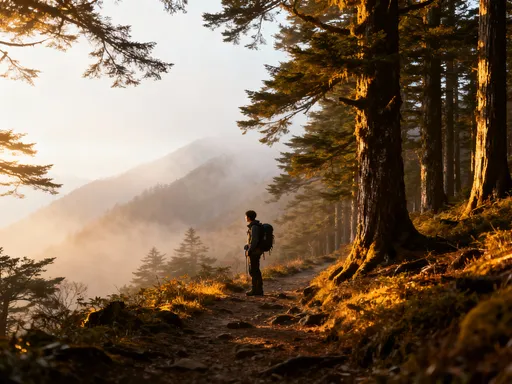
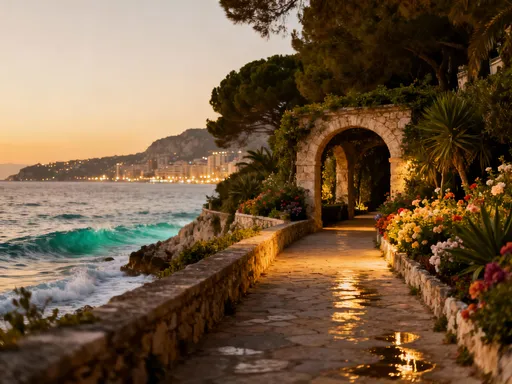
One of the most rewarding ways to experience Monte Carlo’s natural beauty is by walking the lesser-known coastal trail that stretches from the eastern edge of Monaco toward the neighboring district of Cap d’Ail. This scenic route, often missed by tourists who stick to the main roads, offers uninterrupted views of the Mediterranean Sea. The path winds along the cliffs, suspended between the deep blue water below and the lush greenery above. It is not marked on most tourist maps, but it is easily accessible and well-maintained, with stone steps, handrails, and occasional benches perfect for pausing to take in the vista.
Walking this trail in the early morning is a particularly peaceful experience. The air is cool and fresh, carrying the scent of wild thyme, rosemary, and juniper that grows abundantly along the path. The sound of waves crashing against the rocks below creates a natural rhythm, soothing and constant. In the distance, the faint chime of church bells from a nearby village adds to the serenity. As the sun rises over the horizon, the water sparkles like crushed glass, and the sky shifts from pale pink to golden yellow. This is not a place for rushing—it invites slow, mindful movement, encouraging travelers to breathe deeply and be present.
The trail is ideal for those seeking both physical activity and visual reward. It is moderately easy, with gentle inclines and well-paved sections, making it suitable for most fitness levels. Along the way, hikers pass small coves where locals swim during the summer and hidden alcoves perfect for a quiet moment of reflection. Some sections of the path are shaded by pine trees, offering relief from the midday sun. For those who continue the full stretch, the journey ends in a charming seaside neighborhood where a small café serves freshly baked pastries and strong espresso—an ideal way to conclude a morning of exploration.
Exploring the Quiet Charm of Le Larvotto’s Hidden Garden
Nestled just behind the popular Larvotto Beach, away from the sun loungers and beach clubs, lies a tranquil green space that few visitors ever discover. This hidden garden, known locally as Jardin de la Pépinière, is a peaceful oasis amid the urban landscape. Lush with palm trees, flowering shrubs, and fragrant herbs, it offers a refreshing contrast to the sandy bustle of the shore. Benches are thoughtfully placed beneath shady trees, facing the sea, inviting quiet contemplation. The sound of the waves is softer here, muffled by the foliage, creating a sense of separation from the nearby crowds.
What makes this garden especially valuable is its role in promoting mental well-being. In a destination often associated with high energy and constant activity, having a place to slow down is essential. The garden’s design encourages relaxation—its winding paths invite aimless wandering, and the variety of plants attract birds and butterflies, adding gentle movement and life. Parents bring young children to play safely among the greenery, while older visitors sit with books or simply close their eyes and listen to the breeze. It is a place where time seems to slow, allowing visitors to reset and recharge between more structured parts of their itinerary.
Urban green spaces like this one play a vital role in enhancing the quality of a travel experience. They provide balance—offering shade, quiet, and natural beauty in cities dominated by concrete and noise. For families, the garden is a safe and welcoming environment where children can move freely without the constraints of crowded sidewalks. For solo travelers, it offers a moment of solitude and reflection. Whether visited at sunrise, when the dew still clings to the leaves, or in the late afternoon, when the light turns golden, the garden remains a consistent source of calm. It is a reminder that even in a city known for its luxury and pace, there are pockets of stillness waiting to be found.
The Overlook at Chemin des Révoires: A Local’s Viewpoint
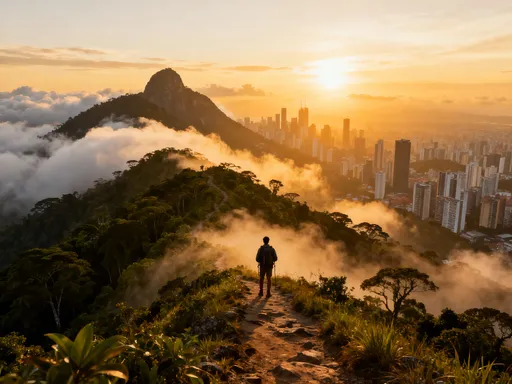
High above the harbor, tucked within a quiet residential neighborhood, lies one of Monte Carlo’s best-kept secrets: the viewpoint at Chemin des Révoires. Unlike the crowded tourist spots, this elevated terrace is rarely mentioned in guidebooks and seldom appears on itineraries. Yet, it offers one of the most breathtaking panoramic views in the entire principality. From this vantage point, the city unfolds below like a living map—the glittering curve of the bay, the terracotta rooftops of Monaco-Ville, and the dramatic cliffs that frame the coastline. On clear days, the view extends all the way to the French Alps in the distance.
Reaching the overlook is simple and affordable via public bus number 100, which runs regularly from the city center. The ride itself is scenic, winding through narrow streets lined with villas and gardens. Once there, visitors will find a small, unassuming platform with a stone railing—no crowds, no vendors, no entry fee. It is a place used primarily by locals who come to walk their dogs or enjoy a quiet moment with a cup of coffee. Bringing a light picnic—perhaps a fresh baguette, local cheese, and a piece of fruit—turns the visit into a mini-adventure, a chance to savor both food and scenery in equal measure.
The best times to visit are early morning or late afternoon, when the light is soft and the air is cool. At sunrise, the city is bathed in a pale golden glow, and the harbor is calm, with only a few boats moving slowly across the water. In the evening, as the sun dips below the horizon, the city lights begin to flicker on, one by one, creating a sparkling tapestry against the darkening sky. This is the kind of view that stays with you—not because it is famous, but because it feels personal, discovered rather than prescribed. It reminds travelers that some of the most memorable moments in life come not from checking off landmarks, but from stumbling upon beauty where you least expect it.
Discovering Old Town Monaco: Not Just a Day Trip Stop
Perched on a rocky promontory high above the sea, Monaco-Ville—the historic heart of the principality—is often treated as a quick stop on a day trip. Tourists arrive by shuttle, snap a few photos of the Prince’s Palace and the changing of the guard, then return to the lower districts. But those who linger discover a completely different atmosphere once the day-trippers have left. As the afternoon light fades and the crowds thin, the old town reveals its true charm. The narrow cobblestone streets, lined with ivy-covered buildings and flower-filled balconies, take on a softer, more romantic quality. The sound of footsteps echoes gently, and the scent of jasmine drifts through the air.
Walking through Monaco-Ville in the evening is like stepping into a different era. Streetlamps cast a warm glow on the ancient stone walls, and small family-run restaurants begin to light their candles, preparing for dinner service. The terrace at Place du Palais offers an unobstructed view of the bay, now illuminated by the lights of yachts and waterfront buildings. This is the perfect time to sit with a cup of herbal tea or a glass of local wine and simply watch the world below. The pace slows, the noise fades, and a deep sense of calm settles in. It is a rare opportunity to experience the city not as a spectacle, but as a living, breathing community.
Staying past sunset also allows visitors to witness the transition from day to night—a subtle but beautiful transformation. The sky shifts from deep blue to indigo, and the stars begin to appear, faint at first, then brighter as the city lights take over. The Prince’s Palace, lit from below, stands as a silent guardian over the principality. For families, this quiet time offers a chance to walk hand-in-hand without the press of crowds. For solo travelers, it provides space for reflection. By choosing to stay longer, visitors move beyond the surface and connect with the soul of the place—one that is proud, historic, and deeply rooted in its Mediterranean setting.
The Hidden Courtyards and Alleyways of Monte Carlo’s Backstreets
Behind the grand boulevards and luxury storefronts of Monte Carlo lies a network of narrow alleyways and secluded courtyards that most tourists never see. These hidden passages wind between buildings, connecting quiet residential streets and offering glimpses into the private life of the city. Some are lined with climbing roses, others with potted geraniums; many feature ancient stone staircases that seem to lead nowhere, yet reward those who follow them with unexpected views. Unlike the wide, polished avenues, these lanes are unassuming—free of signs, maps, or crowds—inviting slow, curious exploration.
Walking through these backstreets feels like discovering a secret. One moment you’re on a busy street, and the next you’ve turned a corner into a silent courtyard where laundry flutters in the breeze and a cat naps in a sunlit patch. These spaces are not designed for tourism; they are part of the daily rhythm of Monegasque life. Residents greet each other by name, shopkeepers sweep their doorsteps, and children ride bicycles in the quiet lanes. There is a sense of continuity here, of tradition and community that persists despite the city’s global reputation for wealth and exclusivity.
Despite the lack of signage, navigating these areas is safe and straightforward. The city is compact, and most alleys eventually lead back to main roads. Wearing comfortable shoes and carrying a simple map or smartphone is all that’s needed. The reward is not a famous landmark, but a feeling—a sense of having seen something real and unfiltered. These hidden corners remind us that even in the most polished cities, there are still places where life unfolds quietly, authentically, and beautifully. For the mindful traveler, such discoveries are often the most cherished souvenirs of all.
How to Travel Like a Local: Practical Tips for Authentic Exploration
To truly experience the hidden side of Monte Carlo, a shift in approach is necessary. Instead of rushing from one major attraction to the next, travelers are encouraged to slow down and engage with the city on a human scale. Using local public transportation, such as the efficient bus network, is an excellent way to move between neighborhoods while observing daily life. Buses are clean, affordable, and offer views that cars and taxis often miss. Riding line 1, for example, takes passengers along the waterfront, past residential areas, and into the heart of the old town, providing a moving panorama of Monegasque life.
Timing is also important. Visiting popular areas early in the morning or later in the evening helps avoid crowds and reveals a different atmosphere. Many of the hidden spots—such as the coastal path or the Chemin des Révoires overlook—are best enjoyed in the soft light of dawn or dusk. Dressing comfortably in breathable clothing and supportive shoes makes walking easier and more enjoyable, especially on uneven terrain. Carrying a reusable water bottle is both practical and environmentally responsible, particularly during the warmer months.
Equally important is the attitude with which one explores. Politeness and respect go a long way in residential neighborhoods. Smiling, saying hello, and speaking quietly show consideration for residents. Taking photos is fine, but always ask before photographing people or private property. Above all, traveling with intention—focusing on quality of experience rather than quantity of sights—leads to deeper satisfaction. It means sitting longer in a garden, walking an extra block to see where a path leads, or striking up a friendly conversation with a local shopkeeper. These small choices transform a visit from a checklist into a meaningful journey.
Conclusion: Finding Beauty Beyond the Spotlight
Monte Carlo is undeniably glamorous, but its true magic lies not in the casinos or yachts, but in the quiet moments between them. The hidden garden behind the beach, the coastal path at sunrise, the overlook where the city spreads out below—these are the places that leave a lasting impression. They remind us that even in one of the world’s most luxurious destinations, beauty is often found in simplicity, stillness, and authenticity. Travel becomes more enriching when it includes not just seeing, but feeling—when it allows space for wonder, reflection, and connection.
For the thoughtful traveler, especially those who value balance, peace, and meaningful experiences, Monte Carlo offers far more than its reputation suggests. It invites curiosity, rewards patience, and reveals its secrets to those who look beyond the surface. By seeking out these overlooked corners, visitors do not just see the city—they begin to understand it. They learn that luxury is not only measured in gold and marble, but also in the quality of light on a quiet street, the sound of waves at dusk, and the warmth of a shared smile with a local.
So the next time you plan a visit, resist the urge to follow the crowd. Step off the main path. Explore the backstreets, wander the gardens, and watch the sunset from a hidden terrace. Let your journey be guided not by fame, but by presence. In doing so, you’ll discover that the most unforgettable moments are often the quietest ones—and that even in a place known for its sparkle, the deepest beauty shines in the stillness.