You Won’t Believe These Hidden Gems in Groningen – A Photographer’s Dream Come True
Have you ever walked through a city and felt like every corner was begging to be captured? That’s exactly how I felt in Groningen. Far from the typical tourist trails, this Dutch city stunned me with its mix of historic charm and modern flair. As a photographer, I was drawn to its landmark buildings—each with its own story, light, and texture. What I found wasn’t just architecture—it was art waiting to be framed. The way sunlight glints off centuries-old brickwork, how bicycles blur across cobbled lanes at dusk, and the quiet elegance of hidden courtyards unseen on postcards—all of it forms a visual narrative that rewards patient observation. Groningen doesn’t shout for attention. It whispers, inviting those who pause to listen—and look—closer.
Discovering Groningen: A City That Surprises
Groningen, nestled in the northern Netherlands, often slips beneath the radar of international travelers captivated by Amsterdam’s canals or Rotterdam’s skyline. Yet, this compact university city offers a uniquely balanced blend of heritage and contemporary life, making it a quietly compelling destination for thoughtful exploration. With a population of around 230,000, Groningen feels intimate without being insular, vibrant without overwhelming. Its streets pulse with the rhythm of student life—bicycles weaving through car-free zones, outdoor cafés buzzing in summer, and bookshops spilling onto sidewalks—but there is also a deep-rooted sense of history that grounds the city’s modern energy.
What sets Groningen apart is its authenticity. Unlike destinations shaped heavily by tourism, Groningen remains largely true to itself. Locals stroll through the historic center not for show, but as part of daily life. This genuineness translates into rich photographic opportunities: unposed moments, natural light playing across weathered façades, and urban scenes that feel lived-in rather than staged. The city’s architecture tells a layered story, where 13th-century foundations support 17th-century gables, and sleek glass structures rise beside centuries-old churches. This juxtaposition isn’t jarring—it’s harmonious, a visual dialogue between past and present.
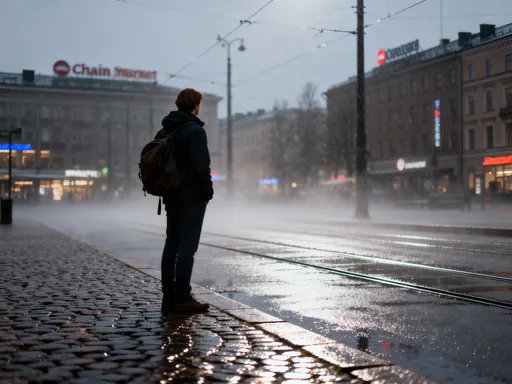
For photographers, Groningen offers an accessible canvas. The city center is compact, easily navigable on foot or by bike, and free from the congestion that plagues larger European capitals. This allows for unhurried observation and deliberate composition. Whether capturing the grandeur of its central square or the quiet geometry of a hidden alley, one can work at a contemplative pace. The absence of overt commercialization means fewer visual distractions—no towering billboards, garish signage, or crowded tourist traps. Instead, the city reveals subtle details: hand-painted house numbers, ivy creeping up sandstone walls, and the soft reflection of streetlamps on wet cobblestones after rain.
Moreover, Groningen’s identity as a student city adds dynamic movement to static scenes. Thousands of students from the University of Groningen bring constant motion—rushing between lectures, gathering in courtyards, or cycling home under dimming skies. These human elements enrich photographs, adding scale, warmth, and narrative depth. The city doesn’t demand dramatic gestures from the lens; it rewards patience and presence. To photograph Groningen is not to capture spectacle, but to document the poetry of ordinary moments unfolding in a place where tradition and innovation coexist with quiet confidence.
The Heart of the City: Grote Markt and the Iconic Martinitoren
At the center of Groningen lies the Grote Markt, a spacious square that serves as both a historical anchor and a living hub of civic activity. Dominating the skyline is the Martinitoren, a slender Gothic tower named after Saint Martin, which has watched over the city since the 13th century. Standing at 97 meters, it is the tallest structure in Groningen and one of the most photographed landmarks in the northern Netherlands. Its sandstone façade, marked by centuries of wind and weather, bears the scars and patina of time, each crack and discoloration adding character to its presence.
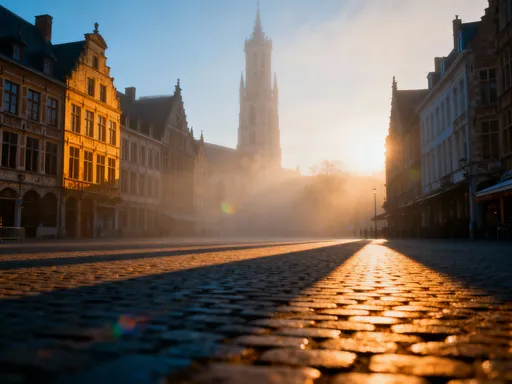
For photographers, the Martinitoren offers endless compositional possibilities. The best light arrives in the early morning, when the rising sun casts a warm, golden glow across its western face. At this hour, the square is often quiet, with only a few early risers or delivery trucks breaking the stillness—ideal conditions for capturing clean, uncluttered shots. Golden hour, just before sunset, bathes the tower in soft, directional light that enhances texture and depth, making the carved stonework stand out dramatically. On misty winter mornings, the tower emerges from low fog like a sentinel, its silhouette softened yet powerful, creating an atmospheric image full of mood and mystery.
The surrounding buildings of the Grote Markt, primarily from the 17th and 18th centuries, form a perfect frame for the Martinitoren. Their ornate gables, decorated with scrollwork, statues, and inscriptions, reflect the wealth and civic pride of Groningen’s mercantile past. Photographers can use these façades to create leading lines that draw the eye toward the tower, or shoot from lower angles to emphasize its verticality against the sky. Reflections in puddles after rain offer creative opportunities, doubling the image and adding symmetry. The square’s open layout also allows for wide-angle shots that include the full context of the scene—market stalls on market days, churchgoers entering the Martinikerk, or couples pausing for a moment beneath the clock tower.
To avoid crowds, especially during weekends or festivals, arriving before 8 a.m. is advisable. Alternatively, shooting from elevated vantage points—such as the upper floors of nearby cafés or the balcony of the town hall—can provide a different perspective. A moderate telephoto lens (around 70–100mm) works well for isolating architectural details, while a wide-angle lens captures the full breadth of the square. The Martinitoren is not just a subject; it is a focal point around which the city’s identity revolves, and photographing it thoughtfully means engaging with centuries of history in a single frame.
University Buildings: Where History Meets Innovation
The University of Groningen, founded in 1614, is one of the oldest and most respected universities in the Netherlands. Its presence permeates the city, not only through its student population but also through its historic and architecturally significant buildings. Among the most photogenic is the Academiegebouw, the university’s ceremonial hall, located on the Broerstraat. This 19th-century structure combines neoclassical grandeur with academic symbolism, making it a compelling subject for architectural photography.
The façade of the Academiegebouw features Corinthian columns, allegorical statues representing disciplines like law and medicine, and an ornate pediment filled with intricate carvings. Inside, the grand hall boasts stained-glass windows, vaulted ceilings, and polished wooden floors that reflect natural light from tall windows. These elements create a sense of solemn beauty, ideal for capturing symmetry, depth, and texture. The interplay of light and shadow throughout the day transforms the space—morning light streams through the east-facing windows, illuminating the glass with a soft glow, while afternoon light creates long, dramatic shadows across the floor.
Photographing inside academic buildings requires sensitivity and adherence to local guidelines. While the exterior is freely accessible, interior photography may be restricted during official events or examinations. Visitors should always seek permission when entering ceremonial spaces and avoid disrupting academic activities. However, during open days or public lectures, access is often permitted, and the movement of students in formal attire adds a dynamic human element to the images. Capturing a lone figure walking down a long corridor or a group gathered beneath a chandelier can convey both the dignity and the vitality of the institution.
Beyond the Academiegebouw, other university buildings offer diverse photographic opportunities. The University Library, with its modern extension seamlessly integrated into a historic shell, exemplifies the city’s architectural balance. The Faculty of Economics building features a striking atrium flooded with natural light, while older lecture halls retain wood-paneled walls and vintage chandeliers. These spaces reflect not only the university’s long history but also its ongoing evolution. Photographing them is not just about recording buildings—it’s about documenting the continuity of knowledge and the environments that nurture it.
Modern Statements: The Eye-Catching Forum and City Library
Rising boldly from the northern edge of the city center, the Forum building stands as a testament to Groningen’s embrace of contemporary design. Completed in 2008, this striking structure combines a public library, cultural center, and urban plaza into one cohesive complex. Its exterior is a dynamic composition of glass, steel, and concrete, with angular forms and reflective surfaces that shift in appearance throughout the day. At sunrise, the glass façade mirrors the pale sky; by midday, it reflects the movement of people and clouds; at night, internal lighting turns it into a glowing lantern visible from across the city.
For photographers, the Forum offers a wealth of creative possibilities. The building’s large glass panels create endless opportunities for reflections—of the sky, passersby, or surrounding architecture—allowing for layered, abstract compositions. Shooting from low angles emphasizes its imposing scale, while close-ups of the textured concrete and metal joints reveal the craftsmanship behind its construction. The interior is equally photogenic: a vast open space flooded with natural light, spiral staircases that invite upward compositions, and reading areas where soft lighting creates intimate pockets within the grand volume.
One of the most compelling aspects of the Forum is how it integrates with public life. The ground floor functions as a bustling urban living room—people read, study, meet, or simply rest. Capturing these moments adds narrative depth to architectural shots. A child peering into a glass display, a student absorbed in a book beneath a skylight, or a couple sharing coffee at a corner table—these scenes humanize the space and illustrate its role as a social hub. The contrast between the building’s modern austerity and the warmth of human activity within it creates a powerful visual tension.
Timing is key when photographing the Forum. Early mornings offer fewer people and soft, even light, while evenings bring artificial illumination that highlights the building’s sculptural qualities. Long exposures can capture the movement of visitors as gentle blurs, contrasting with the stillness of the architecture. The rooftop terrace, accessible to the public, provides a panoramic view of the city—an excellent spot for wide-angle shots that include both the Forum and the historic skyline. This building is not just a functional space; it is a statement of civic pride and a symbol of Groningen’s forward-looking spirit.
Hidden Courtyards and Secret Passages: Off-the-Beaten-Path Spots
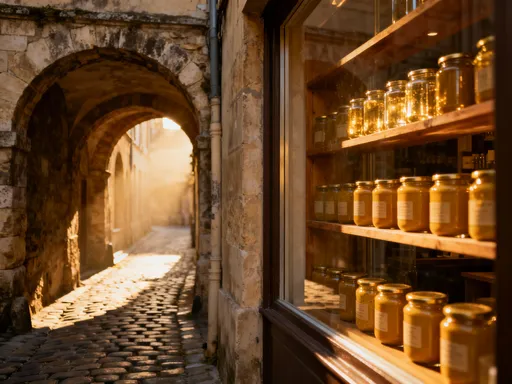
Beyond the main streets and public squares, Groningen conceals a network of hidden courtyards, known locally as hofjes, and narrow passageways that offer a quieter, more introspective side of the city. These spaces, often tucked behind unmarked doors or accessible through arched gateways, were originally built as communal living areas for the elderly or as inner sanctuaries for religious communities. Today, many remain private residences, but their tranquil beauty makes them irresistible to photographers seeking intimacy and detail.
One such example is the A-Minor cloister, a medieval courtyard surrounded by arched walkways and centuries-old brickwork. Moss clings to stone joints, ivy climbs weathered walls, and wooden shutters frame small-paned windows—each element a perfect subject for macro or detail photography. The play of light is subtle here, filtered through overhanging eaves or dappled by trees, creating soft contrasts and rich tonal variation. Because these spaces are often shielded from wind and noise, they feel suspended in time, offering a rare sense of stillness in an urban environment.
Accessing these hidden areas requires respect and discretion. Many are private, and signs often request silence or no photography. The ethical approach is to observe without intrusion—framing shots from public thresholds, avoiding windows, and never entering restricted zones. Some courtyards, however, are open during heritage days or cultural events, providing rare opportunities for closer exploration. When permitted, a prime lens with a moderate aperture (f/2.8–f/5.6) allows for sharp detail while maintaining a shallow depth of field, ideal for isolating textures like peeling paint or wrought-iron railings.
These secret spaces reveal a different kind of beauty—one that is understated, weathered, and deeply personal. They remind photographers that not every compelling image requires grand scale or dramatic light. Sometimes, the most powerful photographs emerge from small, overlooked corners: a single flower growing from a crack in the pavement, the shadow of a clothesline across a wall, or the reflection of a gable in a rain-filled puddle. In Groningen, the hidden courtyards are not just architectural remnants—they are quiet poems written in brick and stone, waiting for those who know how to listen with their eyes.
Seasonal Shifts: How Light and Weather Transform the Cityscape
Groningen’s northern latitude—just over 53 degrees—gives it a distinct seasonal rhythm that profoundly influences photography. The city experiences long summer days, with sunset as late as 10:00 p.m. in June, and short winter afternoons, where darkness falls by 4:30 p.m. in December. These extremes affect not only the duration of available light but also its quality. In summer, the low angle of the sun even at midday creates soft, diffused illumination, ideal for minimizing harsh shadows. In winter, the pale sunlight skimming the horizon produces a cool, silvery glow that enhances the texture of stone and brick.
Cloud cover is frequent in Groningen, averaging over 200 overcast days per year. While some photographers may see this as a limitation, it can be an asset. Overcast skies act as a giant softbox, eliminating contrast and allowing for even exposure across complex scenes. This is particularly beneficial when photographing buildings with mixed materials—stone, glass, and metal—where direct sunlight might cause blown-out highlights or deep shadows. Rainy days add another dimension: wet cobblestones become reflective surfaces, doubling façades and streetlights, while fog softens distant outlines, creating dreamlike compositions.
Each season offers unique visual themes. Spring brings blooming crocuses and tulips in public gardens, their bright colors contrasting with gray walls. Summer nights, with their lingering twilight, allow for long exposures of illuminated buildings without complete darkness. Autumn paints the city in warm tones—golden leaves floating in canals, rust-colored rooftops under overcast skies—and the angled light enhances depth in architectural shots. Winter, though cold, transforms Groningen into a monochrome study in texture and form: snow-dusted gables, frost-covered windows, and the warm glow of interior lights against dark evenings.
To make the most of these conditions, photographers should adapt their gear and planning. A tripod is essential for low-light and long-exposure work, especially in winter. Polarizing filters are less effective under overcast skies, but neutral density filters can help manage exposure during extended twilight. Smartphone apps that track sun and moon positions—such as PhotoPills or Sun Surveyor—help anticipate lighting conditions at specific locations and times. By aligning visits with seasonal moods, photographers can capture not just the city as it is, but the city as it feels—a living entity shaped by time, weather, and light.
Practical Photography Tips for Capturing Groningen’s Soul
To truly capture the essence of Groningen, preparation and mindfulness are as important as technical skill. A versatile lens kit is recommended: a wide-angle lens (16–35mm) for expansive shots of squares and buildings, a standard prime (50mm f/1.8) for street scenes and portraits, and a moderate telephoto (70–200mm) for isolating architectural details. While high-end gear enhances quality, even smartphones with night mode and portrait settings can produce compelling images when used thoughtfully.
Low-light conditions are common, especially in winter and early morning. To maintain sharpness, use a tripod where permitted—public spaces generally allow personal tripod use, though commercial shoots may require permits. Raising the ISO moderately (800–1600) is acceptable with modern cameras, but noise reduction in post-processing helps preserve detail. Shooting in RAW format allows greater flexibility in adjusting white balance and exposure later, crucial when dealing with mixed lighting—such as warm interior lights against cool daylight.
Respecting privacy is paramount. While public spaces allow photography, care should be taken when including people, especially children or those in vulnerable situations. When photographing inside courtyards, churches, or university buildings, always observe posted rules and avoid flash in sensitive areas. Drone use is highly restricted in Groningen’s city center and requires official authorization; casual flying is not permitted.
Finally, the best photographs often come from revisiting the same location at different times. A square that seems ordinary at noon may glow with magic at dawn. A courtyard that appears plain in summer might be draped in frost and silence in winter. Slowing down, observing light changes, and returning with patience yield the most authentic images. Photography in Groningen is not about capturing everything—but about seeing deeply, framing thoughtfully, and honoring the quiet beauty of a city that reveals itself slowly, one moment at a time.
Conclusion
Groningen isn’t just a city of buildings—it’s a living canvas. Each landmark tells a story not only of Dutch heritage but of evolving urban life. Through the lens, you don’t just see stone and steel—you feel time, culture, and quiet beauty. Whether you're a seasoned photographer or an eager traveler with a smartphone, Groningen invites you to look closer, stay longer, and discover the extraordinary in the everyday. It rewards those who wander without haste, who notice the way light falls on an old door, or how a bicycle leans against a centuries-old wall. In a world that often values speed and spectacle, Groningen offers something rarer: depth, authenticity, and the quiet joy of seeing what others overlook. Pick up your camera, step into its streets, and let the city reveal its secrets—one frame at a time.