You Won’t Believe What Happens During Bukhara’s Festival Nights
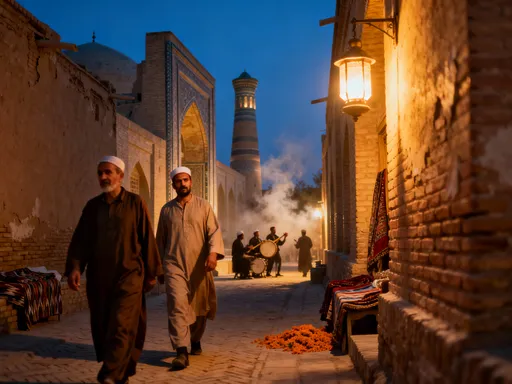
Bukhara, Uzbekistan, comes alive like nowhere else when the festival season hits. Imagine ancient streets glowing under lantern light, the air filled with saffron-scented smoke and the pulse of traditional doira drums. I’ve walked those cobbled lanes during celebrations, and honestly, it’s unlike anything I’ve experienced—centuries-old traditions bursting into vibrant life. If you're craving culture that feels real, raw, and deeply immersive, this is it. The city, a UNESCO World Heritage Site, transforms into a living museum where history isn’t just preserved—it dances, sings, and feeds you warm bread from a clay oven at midnight. During festival nights, the Kalyan Minaret casts long shadows over crowds swaying to folk melodies, and every alleyway seems to whisper stories of Silk Road caravans. This is travel at its most authentic.
The Magic of Bukhara in Festival Season
Bukhara’s charm is timeless, but during festival season, the city undergoes a magical transformation. The historic center, preserved with remarkable care, becomes a stage for cultural expression that feels both ancient and refreshingly alive. Monuments like the Kalyan Minaret, standing tall for over 900 years, are no longer silent relics—they are backdrops to music, dance, and communal joy. The Lyab-i Hauz plaza, once a resting spot for traders, now hosts artisans, performers, and families gathered around flickering firepits. The energy shifts; the air hums with anticipation as locals prepare for days of celebration that honor their heritage with pride and warmth.
Timing a visit to coincide with one of Bukhara’s cultural festivals dramatically enhances the travel experience. These events are not staged for tourists—they are genuine expressions of identity, rooted in centuries of tradition. Whether it’s the spring renewal of Navruz or the vibrant Silk and Spice Festival in May, each occasion offers a rare window into Uzbek life. Visitors don’t just observe—they are often welcomed into the rhythm of the festivities, invited to taste handmade dishes, learn a dance step, or try their hand at crafting a small souvenir. This level of immersion is difficult to find in more commercialized destinations.
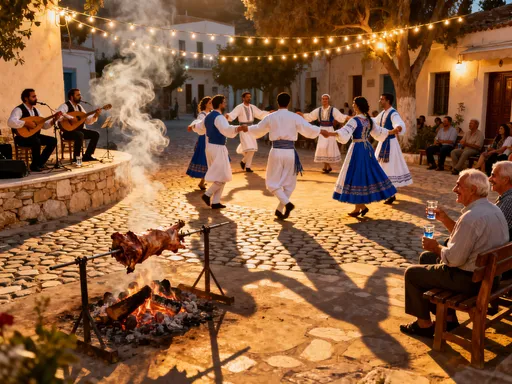
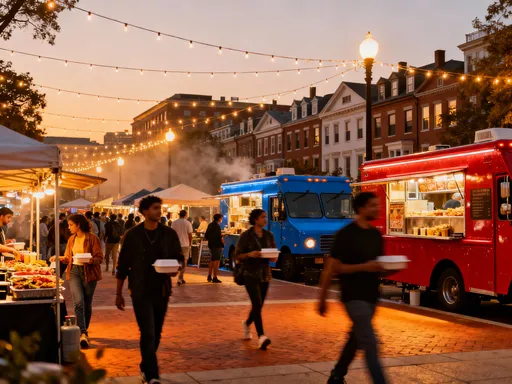
The sensory richness of festival time is unforgettable. Night markets bloom along the old city’s arteries, offering everything from handwoven suzani textiles to delicate silver jewelry. The scent of cumin, cardamom, and slow-roasted lamb drifts from food stalls, mingling with the sweet smoke of sandalwood incense. Music spills from courtyards—plucked dutars, rhythmic doira drums, and the haunting melodies of traditional singers. Locals dress in embroidered velvet robes and silk scarves, their attire a quiet celebration of identity. Children run through the squares with sparklers, their laughter echoing off thousand-year-old walls. In these moments, the past and present feel seamlessly intertwined.
Navruz: Spring’s Wildest Celebration
Navruz, marking the Persian New Year and the spring equinox around March 21, is the most widely celebrated festival across Uzbekistan, and Bukhara honors it with unmatched enthusiasm. This ancient Zoroastrian tradition, now embraced by Muslim and secular communities alike, symbolizes rebirth, unity, and gratitude. The city prepares for weeks in advance, cleaning homes, decorating streets, and gathering ingredients for one of the festival’s most cherished rituals: the preparation of sumalak.
Sumalak is a thick, sweet paste made from germinated wheat, slowly cooked over an open fire for up to seven days. The process is communal—women and girls take turns stirring the massive copper cauldron with long wooden paddles, singing traditional songs as the mixture thickens. The ritual is as much about bonding as it is about food. Once ready, the sumalak is shared with neighbors, friends, and even strangers, symbolizing generosity and the sweetness of the new year. Travelers lucky enough to witness this ceremony often describe it as deeply moving—a rare glimpse into the heart of Uzbek hospitality.
Beyond the kitchen, Navruz brings the city to life with public festivities. In Registan Square and surrounding plazas, folk dancers in bright costumes perform the ko’zgunchek and lezginka, their movements precise and joyful. Traditional games like kok-boru, a Central Asian form of polo played with a goat carcass, draw loud crowds, though modified versions for tourists use a ball. Children compete in rope-pulling contests, and elders recite poetry beneath shaded awnings. The atmosphere is festive but respectful, a balance of exuberance and tradition.
For visitors, the best viewing spots include the area around the Khoja Kalon Mosque and the courtyard of the Ulugh Beg Madrassah, where performances are centrally located and easily accessible. To respectfully join a local family’s Navruz meal, it’s best to accept an invitation through a guide, homestay host, or cultural center. Modest clothing is recommended—long sleeves and skirts or trousers for women, and covered shoulders for men. Removing shoes before entering a home is customary, and bringing a small gift like pastries or fruit is a thoughtful gesture. Participating in Navruz isn’t about spectacle; it’s about connection.
Silk & Spice Festival: A Sensory Overload
Held annually in May, the Silk and Spice Festival celebrates Bukhara’s historic role as a jewel of the Silk Road. This vibrant event highlights the city’s legacy as a crossroads of trade, culture, and craftsmanship. Artisans from across Uzbekistan gather to showcase their skills, transforming the old city into a living marketplace of color, texture, and aroma. The festival is not a reenactment—it’s a revival of traditions that have shaped Central Asian identity for centuries.
One of the festival’s highlights is the artisan parade, where craftsmen in traditional dress march through the streets displaying their wares. Silk weavers demonstrate the intricate process of creating ikat fabric, dyeing threads with natural pigments before weaving them into dazzling patterns. Visitors can watch as artisans hand-carve wooden chests, hammer silver into ornate jewelry, or paint miniature scenes on ceramic tiles. Workshops allow guests to try their hand at basic techniques, such as silk painting or embroidery, offering a deeper appreciation for the skill involved.
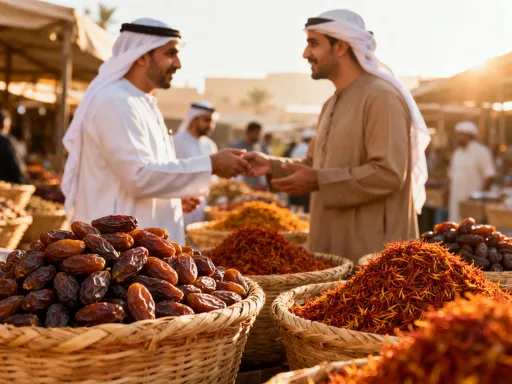
Spice-tasting booths line the walkways near Lyab-i Hauz, inviting travelers to sample blends used in Uzbek cuisine for generations. Saffron, cumin, coriander, and dried barberries are arranged in small bowls, their scents mingling in the warm air. Guides explain how each spice is harvested and used, from flavoring plov (rice pilaf) to enhancing soups and stews. The emphasis is on authenticity—these are the same ingredients found in local kitchens, not tourist-market imitations.
Food is central to the festival experience. Samsa, a savory pastry filled with meat and onions, is baked in traditional tandoor ovens that reach temperatures of over 500 degrees Fahrenheit. The crust emerges golden and flaky, the filling steaming and fragrant. Fresh mulberry juice, pressed on-site from ripe fruit, offers a sweet, tangy refreshment. Fried pumpkin pastries, drizzled with honey, are a seasonal favorite. These dishes aren’t served on disposable plates—they’re presented on hand-painted ceramics, reinforcing the connection between food, art, and tradition.
Nighttime Magic: When the Old City Glows
As daylight fades, Bukhara reveals its most enchanting side. Festival nights are illuminated with thousands of lanterns, casting a warm glow over madrassahs, mosques, and ancient caravanserais. The Kalyan Minaret, usually imposing in daylight, becomes a silhouette of gold against the night sky. The Magoki Attori Mosque, one of the oldest in Central Asia, hosts intimate Sufi music sessions where dervishes chant and spin in meditative harmony. The sound of the ney flute drifts through the alleys, creating an atmosphere that is both spiritual and celebratory.
Outdoor puppet shows, performed by local troupes, entertain families in small courtyards. These traditional performances, often based on folk tales or moral parables, use hand-carved wooden puppets dressed in miniature national costumes. Children sit wide-eyed as stories unfold under strings of fairy lights. Meanwhile, open-air stages feature folk ensembles playing the doira, dutar, and sato, instruments that have echoed through Central Asia for centuries. The music is rhythmic, hypnotic, and deeply rooted in regional identity.
The feeling in the old city after dark is electric yet serene. Tourists and locals mingle freely, sharing tea at 24-hour chaikhanas (teahouses) or sampling sweets from night vendors. The scent of baked bread and cardamom tea lingers in the air. Photographers will find ideal spots at the foot of the Char Minor gate, where the four blue-tiled domes are dramatically lit, or along the reflecting pool at Lyab-i Hauz, where the water mirrors the lantern-lit buildings. To avoid crowds, arriving just before sunset allows time to secure a good vantage point before performances begin.
Where to Stay During Festival Time
Choosing the right accommodation enhances both comfort and access during festival season. Bukhara offers a range of options, from luxurious historic guesthouses to modest family-run homestays. One of the most acclaimed is the Nuriddin Boutique Hotel, housed in a restored 19th-century merchant’s home. With hand-carved wooden doors, tiled courtyards, and private terraces overlooking ancient rooftops, it provides an authentic yet refined experience. Guests enjoy traditional breakfasts served in a sunlit garden, featuring fresh yogurt, honey, and warm non (flatbread).
For travelers seeking a more personal connection, homestays offer an intimate glimpse into daily life. Many are located within the old city, allowing guests to step outside and join festivities within minutes. Host families often include a shared meal in the booking, giving visitors the chance to taste home-cooked dishes like manti (steamed dumplings) or shashlik (grilled meat skewers). While amenities may be simpler, the warmth of hospitality more than compensates.
Booking accommodations 3 to 6 months in advance is strongly advised, especially for Navruz and the Silk and Spice Festival. These events draw both international tourists and domestic travelers, filling most quality lodgings quickly. Staying near Lyab-i Hauz is particularly advantageous—this central location places guests within walking distance of nearly all major events, night markets, and cultural performances. The area remains lively late into the evening, with teahouses and small cafes open well past midnight, offering a safe and welcoming environment for solo travelers and families alike.
Getting Around Without the Stress
Navigating Bukhara during festival season is relatively easy, especially within the compact old city. The historic center is largely pedestrianized, making walking the most enjoyable and practical way to explore. Cobblestone streets wind through shaded alleys and open plazas, revealing hidden courtyards and centuries-old mosques at every turn. Comfortable footwear is essential, as days often involve several miles of walking over uneven surfaces.
For longer distances or when traveling with children or elderly companions, electric tuk-tuks (known locally as “mosquito taxis”) are a convenient option. These three-wheeled vehicles are quiet, eco-friendly, and widely available near major landmarks. Average fares within the city range from $1 to $3, with wait times rarely exceeding five minutes during the day. Drivers are generally friendly and accustomed to tourists, though it’s wise to confirm the price before starting the ride.
For day trips to nearby sites like the abandoned city of Varakhsha or the Sufi shrine of Bahauddin Nakshband, pre-arranged drivers are the best choice. Local tour operators offer full-day excursions with English-speaking guides, providing context and historical background that enrich the experience. Licensed taxis can be booked through hotels or reputable apps, ensuring safety and fair pricing. Travelers should avoid unlicensed cabs, especially during crowded festival nights, as they may overcharge or take longer routes. Public buses exist but are less convenient for visitors unfamiliar with the language and schedule.
How to Respect Local Culture While Joining In
One of the most important aspects of traveling in Bukhara is respecting local customs and traditions. Uzbek culture values modesty, hospitality, and religious sensitivity. Visitors are encouraged to dress conservatively, especially when visiting mosques or attending religious events. For women, this means covering shoulders and knees, and avoiding tight or revealing clothing. Men should wear shirts with sleeves and long trousers. When entering a mosque or home, removing shoes is customary and appreciated.
Photographing people, particularly during religious or family gatherings, should be done with permission. While many locals are happy to pose, some may decline, especially during prayer or private moments. A simple smile and gesture toward your camera can go a long way. It’s also respectful to avoid loud or disruptive behavior in sacred spaces or residential areas.
During shared meals, etiquette matters. It’s polite to wait for the host to invite you to begin eating. The right hand is traditionally used for eating, as the left is considered unclean. Complimenting the food and thanking the host sincerely are gestures that build goodwill. Learning a few basic Uzbek phrases—such as “rahmat” (thank you), “salom” (hello), and “iltimos” (please)—shows respect and often leads to warmer interactions. Locals appreciate the effort, even if pronunciation isn’t perfect.
Conclusion
Festivals in Bukhara aren’t just events—they’re living threads connecting past and present. By planning wisely and engaging with respect, travelers don’t just witness culture; they become part of it. This is more than a trip. It’s a story you’ll carry long after the music fades. From the slow stir of sumalak to the thunder of drumbeats under starlit domes, Bukhara offers a rare depth of experience. The city doesn’t perform for visitors—it welcomes them. And in that welcome lies the true magic of festival nights, where every sense is awakened and every moment feels timeless. For those seeking a journey that nourishes the soul, Bukhara’s celebrations are not to be missed.